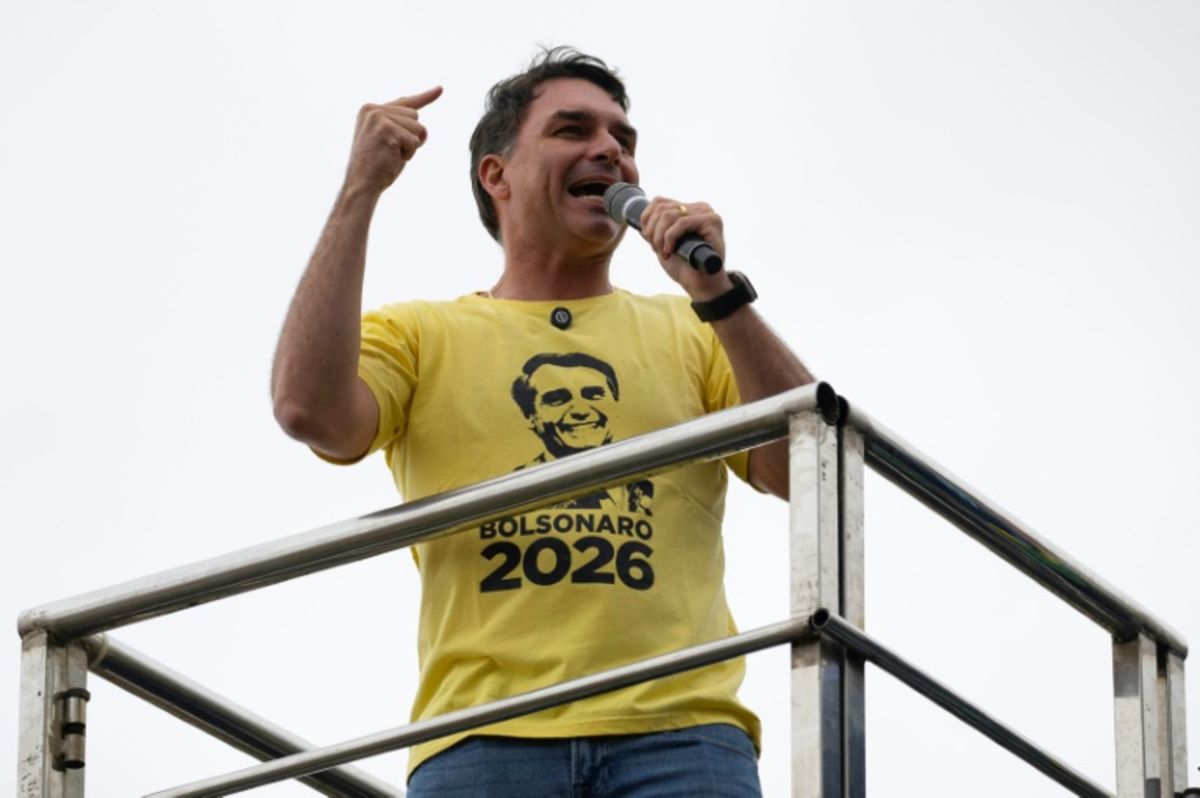
Flavio Bolsonaro entered the national stage not through his own burning ambition, but as the handpicked successor to his father, former President Jair Bolsonaro. While he carries the weight of a powerful political dynasty and shares a striking physical resemblance to the patriarch, the 45 year old senator finds himself grappling with an impossible comparison. At recent rallies in Rio de Janeiro, Flavio has candidly admitted that comparing himself to his father is like comparing the son of Pele to the football legend himself. He positions himself as a more moderate version of the man who reshaped Brazil’s right wing, yet insists that Jair remains his ultimate moral and political compass.
Unlike his father’s aggressive and inflammatory rhetoric, Flavio adopts a more relaxed Carioca persona, often appearing in slogans supporting agribusiness or Brazilian sovereignty over the Amazon. His approach is softer and more personable, a trait his wife jokingly attributes to her own efforts to re educate him. However, analysts warn that this affability is merely a veneer; beneath the casual attire and family man image lies a hardline ideological core. From praising El Salvador’s draconian security measures to using flashy AI generated ads where he pilots fighter jets attacking drug traffickers, Flavio maintains the same far right convictions that fueled his father’s rise.
Despite these strengths, Flavio’s path toward leadership has been riddled with controversy and personal turmoil. Recent investigations into money laundering and corruption involving a biopic about his father have cast a long shadow over his candidacy, particularly regarding suspicious links to jailed banker Daniel Vorcaro. These legal woes were compounded by a very public falling out with his stepmother, former first lady Michelle Bolsonaro, whose accusations of disrespect created visible fractures within the family unit during critical moments of the campaign.
As Brazil heads toward its elections, Flavio exists in a strange political limbo. For supporters who miss their imprisoned leader, he serves as a convenient proxy rather than a distinct alternative. He may lack the raw energy that turned Jair Bolsonaro from a fringe lawmaker into a president, but by leaning into faith and toughness on crime, he hopes to prove that while he lives in his father’s shadow, he can eventually command a spotlight of his own.